Leading through transformation: interview with Shahid Bhagwandien, Head of Finance at CSC Global
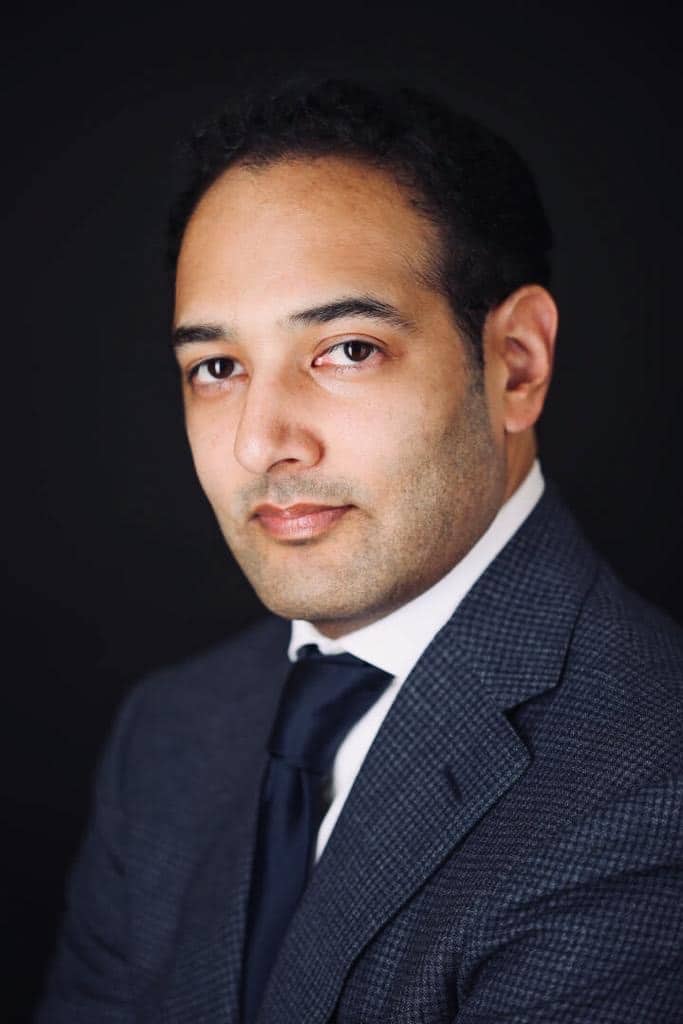
Shahid Bhagwandien is Head of Finance at CSC (Corporation Service Company), the world’s leading provider of business administration and compliance solutions, headquartered in US. He works from the CSC office in Amsterdam.
Reporting directly to the Senior Finance Director, he oversees finance operations across the Netherlands, UAE, Cyprus, Greece, and Belgium within the wider EMEA region.
We sat down with Shahid to learn about his role and his approach to leading high-performing teams through organisational transformation and change.
Can you tell us about your current transformation project?
In 2022, CSC acquired Intertrust – an international trust and corporate management company. A transformation project was designed to bring both organisations together as one business.
Since then, we’ve been working through the various phases of this transformation. One key phase is the transformation of the finance team, that involved transferring activities to a shared service centre and moving corporate headquarters to the US.
A shared service centre was established in India to support global transactional activities, including accounts payable (AP), general ledger (GL), cash applications and billing support.
Alongside this, regional hubs manage the more complex finance operations activities, covering basically everything except business control. These activities include reporting, month-end close, VAT, corporate income tax (CIT), statutory reporting, and other regulatory reporting to supervisory bodies.
All of this is aimed at creating standardised processes across the globe. The transformation began with a comprehensive analysis of global processes to identify efficiencies and increase the level of support provided by the offshore team.
From a leadership perspective, how do you approach guiding teams through periods of transformation and change?
You can plan every aspect of a transformation project in detail, but you also need to remain flexible, as change is inevitable and often occurs daily. It is important to be open to adjustments as processes are tested and refined throughout the journey rather than waiting long periods before making improvements.
It is not enough to simply communicate the strategy, objectives, and rationale behind the change. The team needs to feel that they are genuinely part of the transformation.
This helps build trust and encourages clear, regular communication through team updates and one-to-one meetings. Demonstrating confidence in my team, being transparent and addressing issues as they arise are all key to success.
When complex procedures are being transformed or transitioned, projects will not always be perfect and may face several challenges along the way. Collaboration, ownership, honesty, recognition and celebrating milestones are all critical.
If my team reads this, I would like to thank them for their hard work, dedication, determination, and optimism throughout the process.
As a leader, it is important to focus on what is within your control, celebrate successes, and take time to reflect on lessons learned.
What practices have helped you build and maintain high-performing finance teams during times of organisational shift?
This follows naturally from my previous answer. It is essential to truly know your team and understand their objectives, strengths, and challenges. Involving the right people in the right projects is equally important.
Treat your team members as people, not machines. People want to grow, develop and feel valued. By investing in their development and recognising their contributions, you create a stronger, more engaged team that can navigate change more effectively.
How do you keep teams focused and motivated when transformation brings uncertainty or shifting priorities?
One of the biggest challenges is managing operational change alongside financial reporting cycles and day-to-day business activities.
The key deliverables do not change, yet project deadlines can often shift and create additional pressure. This is an ongoing challenge, so as a leader, I try to be realistic about what can be achieved while maintaining a high standard of quality.
Open communication, prioritisation, and supporting the team through periods of pressure are essential to maintaining focus and motivation.
What skills are becoming critical in modern finance functions and SSCs?
As mentioned earlier, a people-focused approach is essential. Leaders should not be afraid to learn alongside their teams and be honest about challenges and uncertainties.
With AI and automation playing an increasingly important role, everyone is learning and adapting at the same time. Leaders need to ask challenging questions, remain curious, and embrace new ways of working.
They must also be prepared to make adjustments, accept that mistakes will happen and create an environment where learning and continuous improvement are encouraged.
How do you approach decision-making when balancing short-term pressures with long-term transformation goals?
This is a constant challenge. We aim to manage business-as-usual activities as efficiently and effectively as possible while recognising that transformation projects often require significant time and attention.
It is important to assess urgent priorities, plan effectively, create capacity where possible and work collaboratively as a team. We continually evaluate what requires immediate attention and what could create greater issues in the future if left unaddressed.
Finding the right balance between short-term operational demands and long-term strategic objectives is critical..
What have you found most effective when communicating change to senior stakeholders and ensuring alignment?
The approach depends on the stakeholder audience.
For non-finance stakeholders, I focus on the key messages and overall impact rather than unnecessary technical details. Effective communication is not just about sharing figures; it is also about ensuring stakeholders understand the strategy, where we are in the transformation journey and the impact of decisions and progress.
With finance stakeholders, I can provide a more detailed and technical update. However, regardless of the audience, the most important question remains: are we aligned with the strategic roadmap and our overall objectives?
What advice would you give to finance leaders who are preparing their teams for the next phase of organisational transformation?
Keep your focus on people. You are transforming processes, not people.
Have a clear plan, but remain agile and expect adjustments along the way. Most importantly, do not panic. Not everything will work perfectly from day one. Change takes time, and transformation programmes involve many moving parts and decision-makers.
Stay focused on the roadmap, keep the team united and move forward together towards your goals. Finally, take time to acknowledge and celebrate successes, both individual and collective. Recognition goes a long way in maintaining engagement, motivation. and momentum throughout the transformation journey.
Author