Leading global tax teams: interview with VP Tax at Teva Pharmaceuticals
At Teva Pharmaceuticals, Ravid Barzilay leads international tax planning, Pillar 2, supply chain taxes and tax teams across multiple countries. His work spans global strategy, M&A, transfer pricing, indirect taxes and compliance.
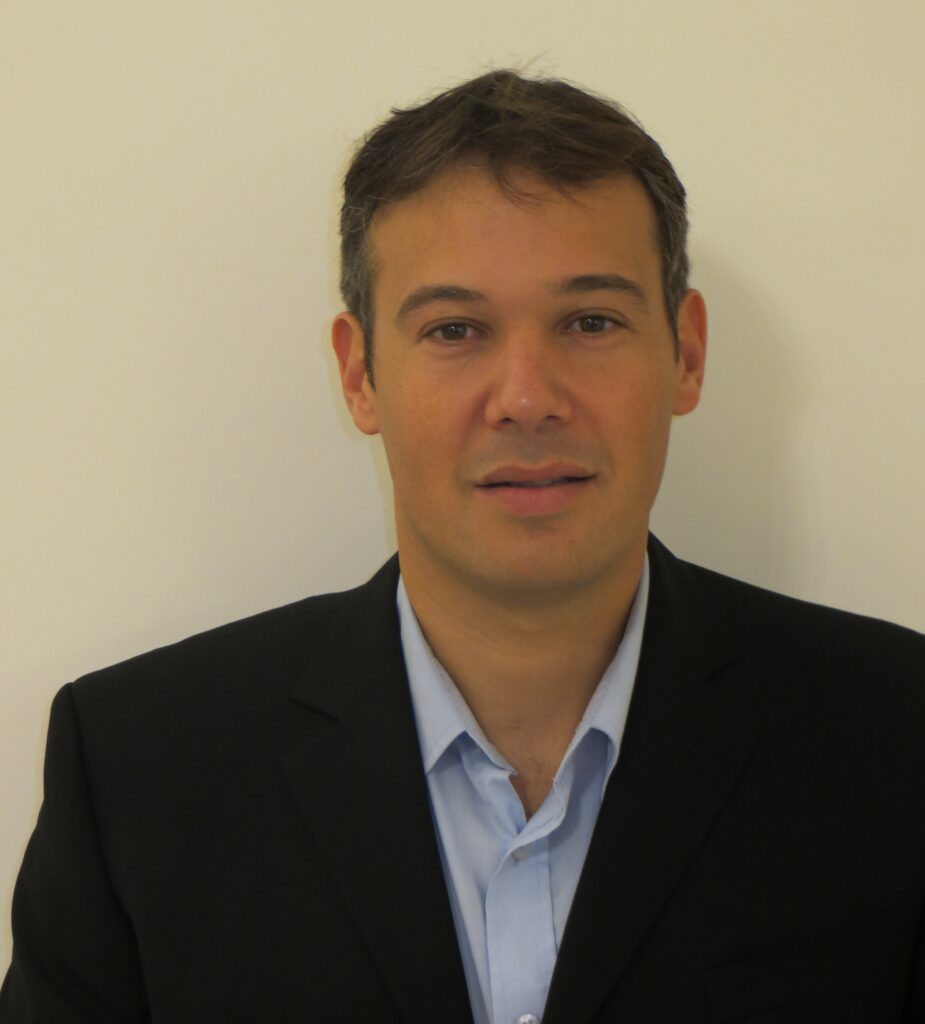
Originally from Israel, Ravid has lived in the Netherlands for the last eight years with his family. He has a passion for building strong teams, solving complex business problems and finding creative ways for tax to add real value.
Originally from Israel, Ravid has lived in the Netherlands for the last eight years with his family. He has a passion for building strong teams, solving complex business problems and finding creative ways for tax to add real value.
Michelle sat down with Ravid to learn about leading global tax teams across regions, building high-performing functions, driving complex international initiatives and creating opportunities for local talent to thrive on a global stage.
Can you tell us about your current role and remit?
I have matrix responsibility: my regional responsibility is Europe and international markets (all jurisdictions outside north America).
I also have two global responsibilities: I am the head of global tax planning and the head of supply chain taxes. As part of my latter responsibility, I oversee the global indirect tax operation of the group.
What key moments in your career most influenced how you lead today?
I initiated and led the finance-flow change from a decentralised model to a centralised model by using a “buy-sell” hub.
To achieve this goal, I created a taskforce from different functions in the group. We involved over 300 employees in this project on local, regional and global levels.
I learned a lot through this project, including how to:
- Motivate people from different departments to prioritise my project over their KPIs (horizontal management)
- Create the space for professionals to do great things
- Make timely decisions in areas outside my immediate expertise
Tell us about a recent project where you involved local people in a global initiative
A recent example is our decision to manage Pillar 2 compliance fully in-house. To deliver this, I created a dedicated “tax force” made up of colleagues from Italy, the UK and Russia, with additional support from Israel, Australia and the Netherlands.
Together, we successfully completed the GIR and related filings across more than 40 countries. By executing the project in-house, we generated significant cost savings while also leveraging AI-enabled solutions to build a first-of-its-kind global compliance framework.
What made this project especially meaningful was the level of commitment and collaboration across the team. Local colleagues were not only supporting a global initiative – they were central to its success. I could not be prouder of what the team achieved.
What defines a high-performing tax team from your perspective?
A high-performing tax team is a proactive team that initiates multiple projects to optimise the book tax and the cash tax of the company.
It also initiates projects to support other functions in the organisation including treasury, supply chain and operations. It is the perfect business partner.
The team implements its projects and translates everything to an accurate tax provision and timely and high-quality compliance. The team is able to defend tax audits successfully.
All the above is done in-house with minimal external support. In the era of AI and advanced technology, I would also mention that the team must have technology abilities, otherwise it risks falling behind.
How do you approach building or reshaping teams as business needs change?
I deployed tax professionals in the most efficient way to support the business. If a major initiative takes place in the organisation, I am making sure we have someone from the team to support it.
This is a “win-win” situation: the business has a “go to” tax person to support all of their needs and this is a great development opportunity for the employee – especially if the employee is “local” and has limited visibility on the organisation.
This is an opportunity to introduce them to global initiatives, give them exposure and develop them. My role will be to match the right person to the task and support them to make sure they will shine.
How do you manage up and ensure your function has influence at senior level?
Managing up has two purposes:
- Making sure that the company thinks “tax” and always invites the tax team to the decision-making table
- Getting recognition for the great work the team is doing
We have had significant success so far on the first purpose: we are engaging colleagues and helping them to succeed in their job.
We initiated training on various tax items to increase awareness, have one-to-one meetings with senior leadership to understand “what keep them awake at night”, and we try to come up with creative solutions to support them.
When the senior management understand the value tax can bring to the table, the tax team will always be welcome to the discussion.
On the second purpose, I believe we need to improve. I always thought that actions speak louder than words, but if the senior level is not aware of the actions, we will miss this purpose.
Therefore, it is important to demonstrate the value the tax team creates by updating the senior level on positive outcomes.
What is better: a local tax function that reports to the local CFO or to global tax?
I have been fortunate to experience both models, and my view is clear: tax professionals who perform strategic tax work – beyond day-to-day tax operations – should report into the global tax function.
There are three main reasons for this.
Prioritisation of value
A local CFO may naturally focus on local issues, even where the financial impact is relatively small. A global tax function can take a broader view and deploy the same employee where it creates the greatest value for the group – sometimes on matters worth millions rather than thousands.
Broader development and engagement
A global reporting line makes it easier to involve local tax professionals in regional and global projects beyond their local scope. This keeps people curious, engaged and motivated, while also expanding their knowledge across different areas of tax and the business.
Stronger career opportunities
In many cases, a local tax professional will not naturally progress into the local CFO role, which means their local career path can become limited relatively quickly.
Where capable tax professionals are reporting to the global tax organisation, regional and global opportunities become more visible and accessible, allowing them to grow, develop and progress within the company.